
How Cheap Solar Panels Affect Residential Solar Efficiency and Reliability
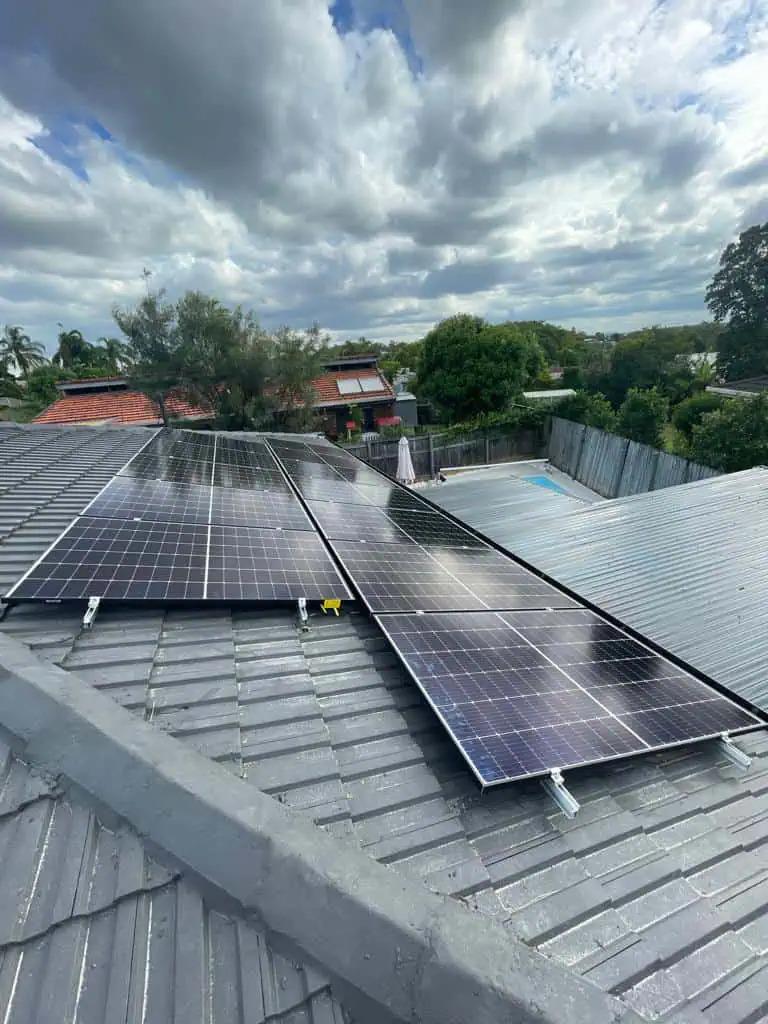
With the growing demand for solar energy, many homeowners are tempted by low-cost solar panel options. While these budget-friendly systems may reduce upfront expenses, they often come with trade-offs that directly impact efficiency and reliability—two of the most important factors in any residential solar setup.
Understanding how cheap solar panels perform over time can help you avoid costly mistakes and ensure your investment delivers long-term value.
What Are Cheap Solar Panels?
Cheap solar panels are typically manufactured using lower-grade materials or less advanced technology. They are designed to offer basic functionality at a reduced price, making solar more accessible to budget-conscious homeowners.
However, affordability often comes at the cost of performance, durability, and consistency.
Impact on Solar Efficiency
Efficiency refers to how effectively a solar panel converts sunlight into usable electricity. This is where cheap solar panels often fall short.
1. Lower Conversion Efficiency
Budget panels generally have lower efficiency ratings compared to premium options. This means:
- Less electricity generation from the same sunlight
- Reduced energy output, especially during peak hours
- Greater dependence on larger roof space
For homes with limited roof area, this can be a major disadvantage.
2. Performance in Low-Light Conditions
Cheap solar panels tend to perform poorly during:
- Cloudy weather
- Early mornings and late evenings
- Dusty or partially shaded conditions
Premium panels, on the other hand, are designed to maintain higher efficiency even in suboptimal lighting.
3. Faster Degradation Rate
All solar panels degrade over time, but cheaper panels degrade faster. This leads to:
- Noticeable drop in energy production within a few years
- Lower overall lifetime output
A panel that starts with lower efficiency and degrades faster will significantly impact long-term savings.
Reliability Concerns with Cheap Solar Panels
Reliability is just as important as efficiency. A solar system should consistently perform well for 20–25 years, but cheap panels often struggle to meet this expectation.
1. Poor Build Quality
Cheap panels are often made with lower-quality materials, which can lead to:
- Micro-cracks in solar cells
- Weak frame structures
- Reduced resistance to environmental stress
This affects both performance and lifespan.
2. Higher Risk of Failures
Low-cost systems are more prone to:
- Electrical faults
- Hotspots that reduce panel output
- Early component failure
Frequent issues can disrupt energy generation and increase maintenance needs.
3. Limited Warranty Coverage
One of the biggest red flags with cheap solar panels is shorter warranty periods. Many budget systems offer:
- 5–10 years product warranty
- Limited performance guarantees
This leaves homeowners vulnerable to repair or replacement costs much sooner than expected.
Long-Term Financial Impact
While cheap solar panels reduce initial investment, they can negatively impact your financial returns over time.
Reduced Energy Savings
Lower efficiency and degradation mean:
- Less electricity generation
- Lower reduction in power bills
Increased Maintenance Costs
Frequent repairs and replacements can:
- Add unexpected expenses
- Offset initial cost savings
Lower Return on Investment (ROI)
A system that underperforms or fails early will take longer to recover its cost, reducing the overall benefit of going solar.
Effect on Overall Solar System Performance
It’s important to understand that solar panels are just one part of the system. However, choosing low-quality panels can affect the entire setup:
- Inverters may not operate optimally due to inconsistent panel output
- Energy production becomes unstable
- Monitoring systems may show fluctuating performance
In short, poor panel quality can drag down the efficiency of the entire system.
When Cheap Solar Panels Might Be Considered
Although not ideal, there are a few scenarios where cheap solar panels may still be used:
- Temporary installations
- Very tight budget constraints
- Non-critical energy applications (like sheds or small setups)
Even in these cases, careful evaluation is necessary.
How to Make a Smarter Choice
If you’re planning a residential solar installation, consider these factors before choosing cheaper panels:
- Check efficiency ratings and degradation rates
- Review warranty terms carefully
- Evaluate the manufacturer’s reputation
- Ensure proper installation quality
- Think long-term, not just upfront cost
Investing slightly more initially can save significantly more over time.
Conclusion
Cheap solar panels may seem like an attractive option, but they often compromise on efficiency, reliability, and long-term performance. Lower energy output, faster degradation, and higher maintenance needs can reduce the overall benefits of going solar.
Solar Battery Cost vs Savings: Myths, Facts, and Financial Reality
From High Bills to Savings: Real Examples of Electricity Bill Reduction with Residential Solar Installation

 Thai
Thai
