
Custom Packaging Miami vs Standard Packaging: What’s Better?
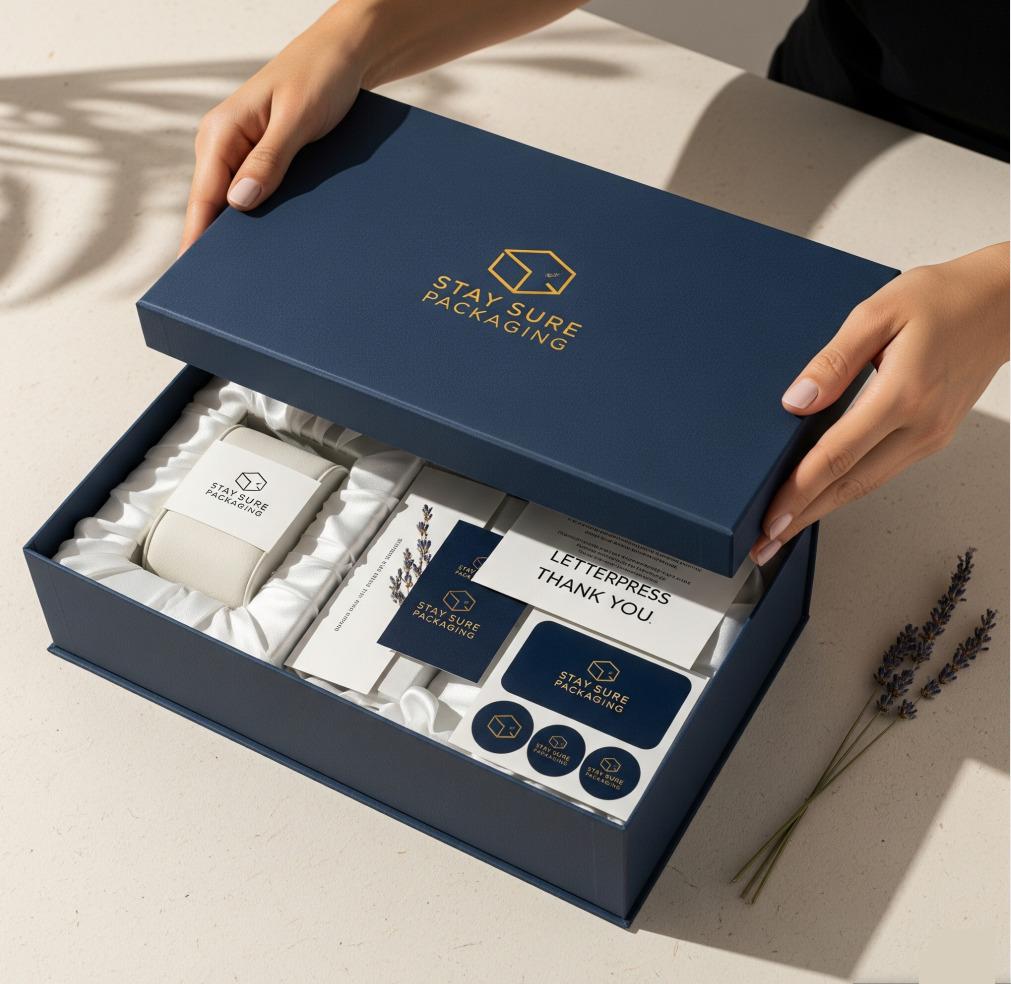
Choosing between custom and standard packaging affects costs, branding, and logistics. The right choice changes how customers see your product. This guide walks through real factors that Miami businesses face.
Topic overview
Packaging decisions are practical and strategic. Many Miami sellers weigh cost against brand impact, returns, and shelf presence. For a local perspective, see how custom packaging vs standard packaging Miami, personalized packaging Miami, custom box suppliers Miami compares across price and timelines.
Key differences between custom packaging and standard packaging
Custom packaging is made to fit a product and brand. Standard packaging uses off-the-shelf sizes and looks generic. Custom offers distinctiveness while standard lowers upfront costs.
- Fit and protection: custom matches dimensions closely; standard may leave gaps.
- Branding: custom shows logos, colors, and messages; standard uses neutral printing.
- Lead times: custom takes longer to produce; standard is immediately available.
Geographic context: Miami market considerations
Miami buyers favor vibrant, local stories. Tourists and locals spot bold designs quickly on shelves. Climate matters too; humidity and salt air affect materials and inks.
When to choose custom packaging
Custom is smart when brand perception drives purchases. It also helps bulky or fragile items that need tailored protection.
Business goals alignment (branding, protection, unboxing experience)
Pick custom when packaging must communicate brand values. Use tailored cushioning and seals for protection. You can design unboxing to create memorable moments.
Product type and dimensions
Odd shapes benefit from custom inserts and die-cut trays. Flat, standard products work well with stock sizes. Correct fit lowers damage risks.
Shelf presence and retail requirements
Retailers may require barcodes, margin-friendly sizes, or durable shelving materials. Custom art can capture shopper attention on packed shelves.
Logistics, storage, and supply chain needs
Custom boxes can stack efficiently, saving warehouse space. Standard cartons may waste room and increase freight cost. Consider pallet optimization early.
Regulatory and compliance considerations in Miami
Florida has rules for labeling some products and materials. Food and cosmetics need specific marks and ingredient lists. Plan labels and testing up front.
Cost considerations
Cost is often the deciding factor. Look past sticker price to long-term expenses and savings.
Upfront and ongoing costs
Custom tooling or die costs add to the first run. Repeat runs drop per-unit costs. Stock boxes avoid tooling fees.
Cost per unit at scale
Higher volumes push custom per-unit cost down. Small runs may never amortize tooling costs. Run projections for several volume scenarios.
Total cost of ownership (TCO) including returns, damage rates, and branding value
TCO covers damage, returns, shipping, and marketing value. Better protection reduces return rates. Strong branding can lift repeat purchases.
Budgeting and ROI expectations
Set a target ROI for packaging investments. Track changes in returns, conversion, and average order value after rollout.
Materials and design options
Material choice affects protection and perception. Miami sellers often prefer durable and recyclable choices.
Materials (paperboard, corrugated, plastics, eco-friendly options)
Corrugated protects heavy items. Paperboard suits retail-ready displays. Biodegradable and recycled stocks lower landfill impact.
Printing, finishes, and tactile elements
Matte or gloss finishes change perceived quality. Spot UV, embossing, and soft-touch coatings invite touch. Test finishes under Miami light conditions.
Size and fit optimization
Correct internal dimensions stop shifting during transit. Custom inserts cut movement and cushion impact. Tight fit reduces filler usage.
Branding assets and guidelines
Consistent logo placement and color codes maintain brand trust. Provide vendors with clear artwork and margin specs. Include pantone references where possible.
Customization levels (full customization vs semi-custom)
Full customization gives unique shapes and prints. Semi-custom uses templates with fewer changes. Semi-custom is faster and cheaper to test.
Branding and customer experience
Packaging is a silent salesperson. It can explain a brand and trigger repeat buying.
Unboxing experience design
Layered reveals create delight. Include a simple note or instruction for personal touch. Keep the experience short and pleasant.
Color, typography, and logo usage
Bold colors work well in Miami retail. Readable typography matters on small labels. Keep logo clear and uncluttered.
Packaging as a marketing touchpoint
Use packaging to promote social channels or limited offers. A single coupon inside can lift reorders significantly.
Differentiation in the Miami market
Local motifs, bilingual copy, and vibrant imagery help stand out. Think of packaging as a local storefront on the go.
Protection, sustainability, and compliance
Protection reduces returns. Sustainability lowers waste and appeals to many Miami consumers.
Product protection and tamper evidence
Use tamper seals for consumables. Add corner protection for fragile items. Test packages over common transit routes.
Sustainability goals and recyclability
Choose recyclable inks and mono-material constructions. Clear disposal instructions help consumers recycle correctly.
Local regulations and shipping constraints in Florida
Check state laws for hazardous materials. Heat and humidity affect adhesives and packing tape. Pick materials that resist humidity breakdown.
Labeling and safety standards
Include required warnings and ingredient lists for regulated products. Barcodes must scan cleanly under retail scanners.
Supply chain and logistics
Supply choices shape lead times and inventory cost. Local production can speed restocks.
Lead times and production capacity
Custom runs often take weeks. Stock solutions ship immediately. Ask vendors about slotting during peak seasons.
Inventory management and MOQ considerations
Minimum order quantities influence cash flow. Smaller MOQs let you test designs faster. Consider safety stock for seasonal spikes.
Vendor selection and geographic advantages (Miami-based vs import)
Miami-based vendors cut transit time and tariffs. Imports may lower unit cost but add delays. Balance cost with time sensitivity.
Packaging lifecycle and returns handling
Design for reuse or easy recycling to reduce returns processing. Clear return labels speed reverse logistics.
Case studies and benchmarks
Real examples clarify trade-offs. Look at impact on damage rates and engagement.
Small business vs enterprise comparisons
Small businesses often use semi-custom runs to test markets. Enterprises can afford full custom and inventory buffers.
Miami-based brands vs national brands
Local brands can flex design for Miami culture. Nationals aim for broad shelf consistency. Local differentiation can boost loyalty.
Damage rate reductions and unboxing engagement metrics
Tailored inserts often cut damage by double digits. Measured unboxing metrics include social shares and repeat purchase rate.
Design and production process
A clear process lowers surprises. Include testing before bulk production.
Discovery and brief
Start with goals, product specs, and budgets. Share target audiences and shelf contexts with designers.
Prototyping and testing
Run physical prototypes through drop and compression tests. Try packaging in actual delivery routes.
Final artwork and dieline creation
Produce accurate dielines with bleed and safety margins. Supply printers with layered files and color specs.
Proofing, approvals, and production timelines
Approve physical color proofs when possible. Lock production dates after sign-off to avoid delays.
RFP and vendor selection checklist
Ask precise questions to compare vendors fairly. Include quality, price, and service details.
Must-have specifications
List material type, dimensions, and print specs. Require sample or prototype delivery timelines.
Quality assurance criteria
Define acceptable tolerance levels and defect rates. Agree on inspection points before shipment.
Sustainability certifications
Ask for FSC, SFI, or recycled content certificates as proof. Verify claims with documentation.
Vendor evaluation scoring rubric
Score vendors on quality, cost, lead time, and communication. Weight factors to match your priorities.
Negotiation levers and service level agreements
Negotiate MOQs, payment terms, and holdback for defects. Set clear SLAs for replacement and lead time penalties.
Implementation roadmap
Break launch into small, measurable steps. Use pilots to reduce risk.
Phased rollout plan
Start with a limited product line in Miami stores or online. Expand after metric validation.
Pilot program design
Run pilots with defined goals and timeframes. Measure damage, returns, and customer feedback.
Scale-up strategy and milestones
Plan reorder points and ramp volumes. Set milestones for cost reductions and lead time improvements.
Cross-functional alignment (marketing, ops, finance)
Hold regular check-ins across teams. Share metrics and adjust forecasts based on pilot results.
Common pitfalls and how to avoid them
Awareness prevents costly mistakes. Watch for these common traps.
- Over-customization vs over-stocking: match run size to demand forecasts.
- Underestimating lead times: add buffer for holidays and shipping delays.
- Inadequate protection for transit: test with real carriers and routes.
- Brand inconsistency across channels: centralize artwork control and approvals.
Future trends and innovations
New tech and local manufacturing change options for Miami brands. Some trends lower waste and raise engagement.
Smart packaging and QR integrations
QR codes link to product stories and care instructions. They can track returns and authenticate items.
Enhanced recyclability and waste reduction
Mono-material designs make recycling easier. Compostable liners reduce landfill burden for certain categories.
Local manufacturing advantages for Miami businesses
Local plants cut transit time and simplify proofs. They often adapt faster to design tweaks and rush orders.
FAQs
When should a Miami small business choose custom packaging?
Choose custom if branding or protection matters to sales. Run a small pilot to test customer response and returns before scaling.
How much more does custom packaging cost per unit?
Initial per-unit cost is higher due to tooling. Costs fall with volume. Ask suppliers for tiered pricing to see breakpoints.
Can custom packaging survive Miami humidity and salt air?
Yes, with the right materials and coatings. Use moisture-resistant adhesives and test samples in local conditions.
Are eco-friendly materials available for custom boxes in Miami?
Many vendors offer recycled board and compostable options. Check certifications and local recycling rules before choosing materials.
How long does it take to get custom boxes made in Miami?
Typical lead times are two to six weeks depending on complexity. Local suppliers can shorten that window for rush orders.
What MOQ should I expect for custom runs?
MOQs vary by vendor and material. Semi-custom options often have lower MOQs than full custom production. Ask for sample runs to reduce risk.
How do I measure ROI from custom packaging?
Track returns, damage rates, conversion lifts, and repeat purchases. Compare those against added packaging costs to calculate ROI.
Should I pick a Miami-based supplier over an importer?
Choose based on time sensitivity and total cost. Local suppliers cut lead times. Importers may offer lower per-unit pricing at higher lead time risk.

 Thai
Thai
