
A Complete Guide to Selecting Car Storage Units
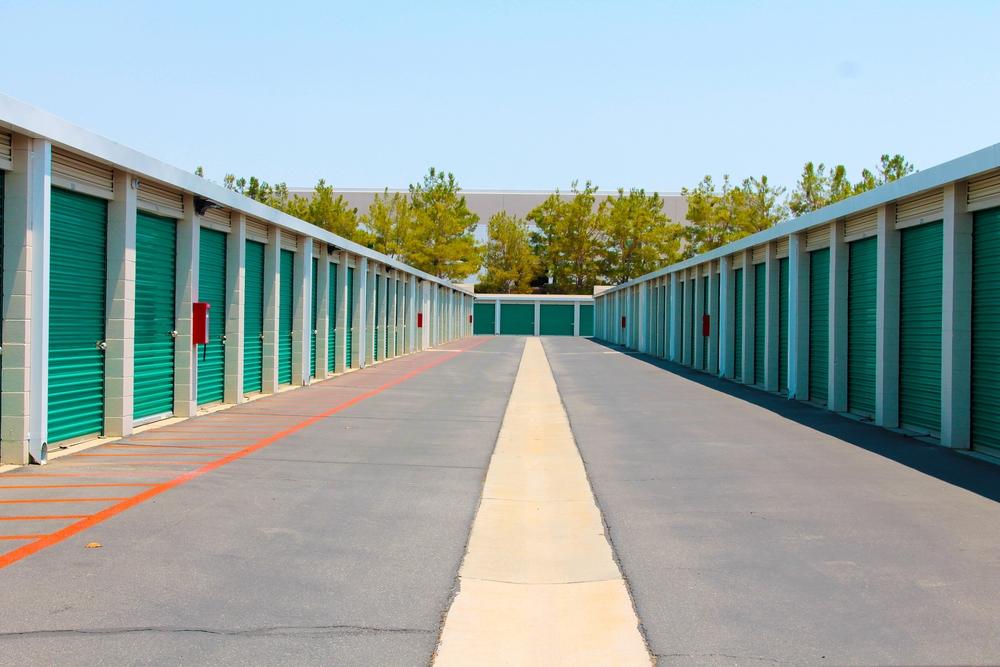
Storing a car sounds simple until you actually have to do it. You don’t just park it somewhere and forget about it. Weather damage, dust buildup, and even long periods of inactivity can quietly mess with your vehicle.
That’s why choosing the right storage matters more than most people expect. In fact, the best storage unit size for a car depends on more than just the car itself; it depends on how long you’re storing it and what condition you want it in later.
In this guide, we’ll walk through sizing, storage types, safety, costs, and practical tips so you don’t end up picking the wrong unit.
What Makes a Good Car Storage Unit?
A good car storage unit is not just about having empty space. It’s about keeping your vehicle in the same condition as when you left it.
Security is the first thing you should look at. If the place doesn’t have proper gates, CCTV, or controlled entry, it’s already a red flag. Moreover, cleanliness matters more than people think. Dust, pests, and moisture can slowly damage your car over time.
Accessibility is another factor. Some units let you access your vehicle anytime, while others have strict hours. That difference can be a dealbreaker depending on your needs.
Indoor units usually offer better protection, but outdoor spaces may be more budget-friendly. However, cheaper doesn’t always mean better value, especially if your car is sitting unused for months.
Now that you know what matters in quality, let’s talk about something most people get wrong, size.
Choosing the Right Size Without Guesswork
Choosing the wrong size is one of the most common mistakes. People often assume their car will “just fit,” but that’s rarely the full story.
A standard sedan usually fits in a 10x15 unit, but it can feel tight. SUVs and pickups often need at least a 10x20 space, while larger vehicles or those needing extra movement space may require 10x30.
But here’s the thing, you don’t just store the car, you also need space to open doors slightly, move around for maintenance, or even place a battery charger. Without that extra room, things can get frustrating fast.
-
Compact cars: 10x15 (minimum comfort fit)
-
Sedans/SUVs: 10x20 (most common choice)
-
Trucks/large vehicles: 10x30 (extra space needed)
However, don’t just pick based on size charts. Always think about how often you might need access. That leads directly into the different types of storage available.
Types of Car Storage Units You’ll Come Across
Not all storage units are built the same. Each type serves a different purpose, and picking the right one depends on how you use your car.
Indoor storage units are fully enclosed and offer the best protection. They shield your car from weather, dust, and even minor physical damage. However, they usually cost more.
Covered parking storage sits somewhere in the middle. It protects your car from direct sunlight and rain but still leaves it exposed to open air on the sides.
Outdoor storage is the most budget-friendly option, but it also comes with the least protection. It works fine for short-term storage or older vehicles.
Climate-controlled units are another option, especially useful in extreme weather conditions. They help prevent rust, battery issues, and interior damage.
Once you know the type you want, the next big concern is safety and long-term protection.
Security, Protection, and Storage Conditions
Security should never be an afterthought. A good storage facility will have surveillance cameras, gated access, and sometimes even on-site staff.
Moreover, environmental conditions play a huge role. Heat, humidity, and moisture can slowly damage paint, tires, and engine parts. Over time, even a stationary car can develop issues like rust or weak batteries.
Pest control is another overlooked factor. Small pests can find their way into vents or wiring if the storage area isn’t maintained properly.
Insurance coverage is also worth checking. Some facilities require it, while others strongly recommend it.
So, while safety is important, cost often becomes the deciding factor for most people. Let’s break that down next.
Cost Factors You Should Know Before Renting
Storage prices are not random; they depend on several clear factors.
Location is the biggest one. Units in busy city areas usually cost more than those in quieter zones. Size also plays a major role. A 10x30 unit can cost significantly more than a 10x15 space.
Indoor storage tends to be more expensive than outdoor parking. Moreover, climate-controlled units come with additional charges because of temperature regulation systems.
You might also see extra fees for insurance or 24/7 access. These small costs add up quickly if you don’t read the details carefully.
However, the cheapest option isn’t always the smartest. Paying slightly more for better protection often saves you from bigger repair costs later.
Once pricing makes sense, the final step is choosing the right provider confidently.
Smart Tips to Pick the Right Storage Unit
Before you commit, it helps to slow down and check a few things properly.
Visit the unit if possible. Photos don’t always show real conditions like cleanliness or space limitations. Moreover, check how easy it is to access your car. Tight entry points can become annoying very quickly.
Compare at least two or three facilities. Prices, security, and conditions can vary more than you’d expect. Also, read the contract carefully—especially clauses about access hours and late fees.
-
Inspect the unit physically if possible
-
Confirm security features
-
Compare pricing across providers
-
Check access rules and timing
-
Review contract terms carefully
A little extra effort here can save you from long-term frustration.
Now that everything is clear, let’s wrap it up.
Conclusion: Making a Confident Choice for Your Vehicle Storage
Choosing a car storage unit is really about balancing space, safety, and cost without overthinking it, but also not rushing into the cheapest option available. When you understand sizing, compare storage types, and pay attention to security and pricing details, the decision becomes a lot easier.
At the end of the day, your car deserves a space that keeps it ready for the road whenever you are. And if you’re exploring options and want to get affordable storage units in Detroit, you’ll find that the right choice usually comes down to matching your needs with the right features, not just the lowest price tag.

 English
