
Atopic Dermatitis in Infants: Early Signs and Treatment
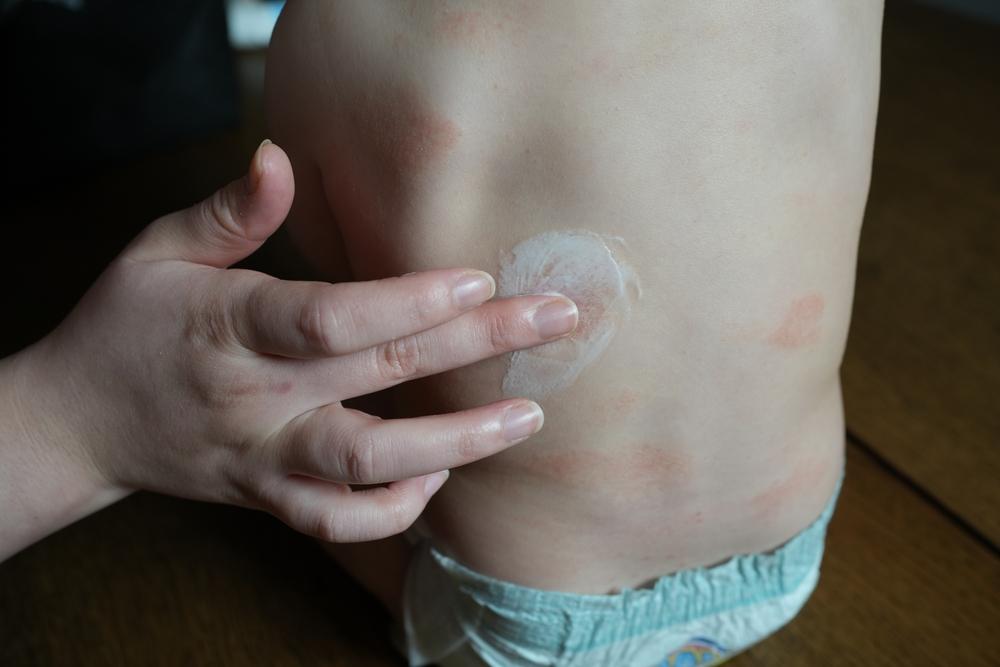
Have you noticed dry, red patches on your baby's skin and wondered whether it is normal dryness or something more? Many parents see skin changes in the first months of life and feel unsure about what they mean. Atopic dermatitis in infants often begins with irritated, dry skin and can become uncomfortable if it is left untreated. You may also come across questions about infant atopic dermatitis vs drool rash symptoms, which can make things even more confusing. In this guide, we will cover early warning signs, common triggers, ways to tell similar conditions apart, and treatment steps that may help your baby feel more comfortable.
What Is Atopic Dermatitis in Infants?
Many parents hear the word eczema but are not always sure what it actually means for babies.
Atopic dermatitis is a common skin condition that causes dry, itchy, and inflamed skin. In infants, it often appears during the first few months of life. The skin barrier, which normally helps keep moisture in and irritants out, does not work as strongly as it should.
Why Does It Show Up So Early?
A few factors can play a role in this condition.
Some babies inherit a tendency toward sensitive skin. Others may react more strongly to things in their environment. Sometimes it is a mix of both. The exact reason is not always clear, which can be frustrating for parents.
Moreover, babies have softer and thinner skin than adults. Because of this, irritation can happen more easily.
Is It Common in Babies?
Yes, it is fairly common. Many infants experience some form of eczema during early childhood.
However, symptoms can look different from one child to another. One baby may only have a few rough patches, while another may deal with more noticeable irritation. That difference sometimes makes parents second-guess what they are seeing.
Knowing what it is makes it easier to spot what it looks like.
Early Signs Parents Often Notice First
The first signs do not always arrive in an obvious way. Sometimes they begin with very small changes.
Skin Changes That May Appear Early
Parents often notice:
-
Dry or rough skin
-
Small red patches
-
Tiny bumps
-
Mild swelling
-
Areas of flaky skin
-
Crusting in certain spots
-
Skin that feels warm to the touch
At first, these changes can look minor. You might think your baby's skin simply needs lotion or that weather changes are causing dryness.
However, symptoms can become more noticeable over time.
Does Your Baby Seem Extra Fussy?
Babies cannot tell us when they feel itchy. Instead, they may show discomfort in different ways.
You may notice:
-
Increased crying
-
Trouble sleeping
-
Frequent rubbing against sheets
-
Scratching movements
-
Restlessness during feeding
Well, here's the thing: babies often rub irritated areas against pillows or blankets instead of directly scratching with their hands.
Parents sometimes assume a baby is simply tired or hungry when skin discomfort may actually be contributing to the fussiness.
Common Places Where Symptoms Start
Atopic dermatitis in infants often appears in areas such as:
-
Cheeks
-
Scalp
-
Forehead
-
Arms
-
Legs
-
Skin folds
However, every baby is different. Some children develop symptoms in only one area, while others experience patches in several places.
Many parents confuse these early signs with other skin conditions.
Infant Atopic Dermatitis or Drool Rash: How Can You Tell the Difference?
You might be wondering if every red patch around your baby's mouth means eczema.
The answer is no.
Signs That Point More Toward Drool Rash
Drool rash usually appears because moisture sits on the skin for long periods.
You may notice:
-
Redness around the mouth
-
Irritation on the chin
-
Skin changes around the neck
-
Symptoms that increase during teething
Moreover, drool rash often improves when the area stays clean and dry.
Signs That May Suggest Atopic Dermatitis
Atopic dermatitis tends to act differently.
Some clues include:
-
Persistent dry skin
-
Rough texture
-
Itching
-
Symptoms outside the mouth area
-
Patches that continue even when drooling improves
On the other hand, there can be overlap. That is why parents sometimes find it difficult to tell them apart.
Knowing the difference helps avoid guessing and supports earlier care decisions.
Once you understand the signs, it helps to look at what can trigger flare-ups.
What Can Make Symptoms Worse?
Some everyday things can irritate sensitive skin without parents realizing it.
Common Triggers Around Babies
Common triggers may include:
Have you noticed dry, red patches on your baby's skin and wondered whether it is normal dryness or something more? Many parents see skin changes in the first months of life and feel unsure about what they mean. Atopic dermatitis in infants often begins with irritated, dry skin and can become uncomfortable if it is left untreated. You may also come across questions about

 English
