
Early Signs a Child May Need Occupational Therapy
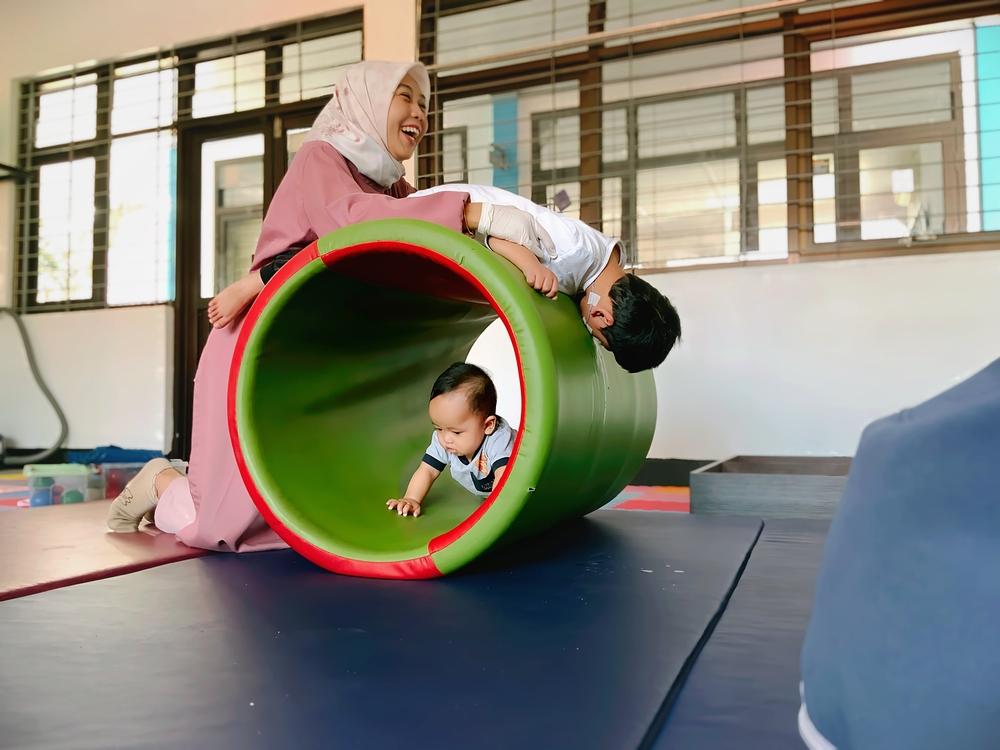
Every child grows and develops at their own pace. Some children quickly learn how to hold a pencil, tie their shoes, or interact with others, while others may struggle with tasks that seem simple for their age. These challenges can sometimes point to developmental delays or difficulties that deserve attention. Recognizing the signs a child may need occupational therapy early can make a meaningful difference in their confidence, independence, and overall quality of life.
Occupational therapy helps children improve the skills they need for daily activities, including playing, learning, socializing, eating, dressing, and writing. Pediatric occupational therapists work closely with families and schools to support a child’s physical, sensory, emotional, and cognitive development. Early intervention often helps children build stronger abilities before challenges begin affecting school performance or social relationships.
This blog explores the common early signs parents, caregivers, and teachers should watch for and explains how occupational therapy can support healthy child development.
What Is Occupational Therapy for Children?
Occupational therapy (OT) focuses on helping children develop the skills needed to complete everyday activities independently and confidently. These activities may include:
-
Holding crayons or pencils
-
Buttoning clothes
-
Using scissors
-
Eating with utensils
-
Paying attention in class
-
Managing emotions
-
Playing with peers
-
Following routines
Pediatric occupational therapists evaluate a child’s developmental abilities and create customized strategies to improve areas where they struggle.
Why Early Detection Matters
Early childhood is a critical period for growth and brain development. Identifying developmental concerns early allows therapists and parents to address issues before they become more severe.
Children who receive early occupational therapy support often experience improvements in:
-
Fine motor skills
-
Social interaction
-
Emotional regulation
-
Sensory processing
-
Independence
-
Academic performance
The earlier challenges are recognized, the easier it becomes to help children adapt and thrive.
Difficulty With Fine Motor Skills
Trouble Holding Pencils or Crayons
One of the earliest indicators that a child may benefit from occupational therapy is difficulty using small hand muscles. A child may struggle to grip crayons properly, color within lines, or control writing tools compared to peers their age.
Children who avoid drawing or become frustrated during writing activities may need additional support with fine motor development.
Problems Using Scissors or Buttons
Tasks such as cutting paper, zipping jackets, buttoning shirts, or tying shoelaces require coordination and hand strength. If a child consistently struggles with these tasks beyond the expected developmental stage, occupational therapy may help improve their dexterity and coordination.
Delayed Gross Motor Coordination
Frequent Falling or Clumsiness
Children naturally stumble while learning to move, but ongoing balance and coordination difficulties can indicate developmental concerns. Some children may appear unusually clumsy, frequently bump into objects, or have trouble running, jumping, or climbing.
Occupational therapists often help children strengthen coordination, body awareness, and motor planning skills.
Difficulty Participating in Physical Activities
A child who avoids playground activities, sports, or group games may struggle with motor skills or confidence. They might become frustrated during physical tasks or feel unable to keep up with peers.
Early therapy can help improve movement skills and encourage greater participation in activities.
Sensory Processing Challenges
Overreaction to Sounds, Textures, or Lights
Some children become overwhelmed by sensory experiences. They may cover their ears during normal sounds, refuse certain clothing textures, avoid messy play, or react strongly to bright lights.
These behaviors may point to sensory processing difficulties. Occupational therapists use sensory integration techniques to help children respond more comfortably to their environment.
Constant Movement or Seeking Sensory Input
On the other hand, some children constantly seek movement or sensory stimulation. They may spin excessively, crash into furniture, chew on objects, or struggle to sit still.
These sensory-seeking behaviors can interfere with learning and daily routines. Therapy can help children regulate their sensory needs more effectively.
Trouble With Attention and Focus
Difficulty Following Instructions
Children who frequently forget directions, become distracted easily, or cannot complete age-appropriate tasks may benefit from occupational therapy support.
While occasional distraction is normal, consistent difficulty staying focused can impact learning and independence.
Problems Completing Daily Tasks
Simple routines such as brushing teeth, getting dressed, or cleaning up toys may become overwhelming for some children. Occupational therapists can help break tasks into manageable steps and improve organizational skills.
Emotional and Behavioral Difficulties
Frequent Meltdowns or Frustration
Children who experience intense emotional reactions during transitions or daily tasks may have underlying sensory or developmental challenges.
For example, a child may become extremely upset when routines change, when they cannot complete a task, or when exposed to loud environments.
Occupational therapy helps children develop coping strategies and emotional regulation skills.
Difficulty Managing Transitions
Some children struggle moving from one activity to another, especially in structured environments like school. They may resist change, become anxious, or display behavioral outbursts.
Therapists often use visual schedules, sensory tools, and structured routines to help children adapt more comfortably.
Delays in Self-Care Skills
Trouble Eating Independently
Children who have difficulty chewing, using utensils, drinking from cups, or tolerating certain foods may need occupational therapy evaluation.
Feeding challenges can sometimes relate to oral motor skills or sensory sensitivities.
Difficulty Dressing or Grooming
A child may avoid dressing themselves, brushing their hair, or washing hands because these activities feel difficult or uncomfortable.
Occupational therapy can improve coordination, strength, and sensory tolerance needed for self-care routines.
Social Interaction Difficulties
Avoiding Interaction With Other Children
Children who consistently avoid peer interaction, struggle with cooperative play, or have difficulty understanding social cues may benefit from additional support.
Occupational therapists often help children improve communication, emotional awareness, and social participation.
 1
1

 Thai
Thai
