
How Digital Battery Passport Solutions Are Revolutionizing the Green Energy Industry
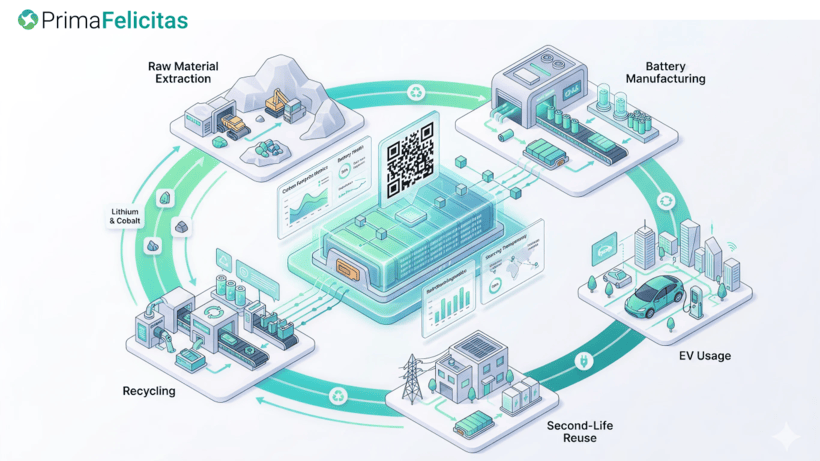
Digital battery passport solutions are transforming the global green energy ecosystem by improving battery transparency, sustainability, traceability, and lifecycle management. As electric vehicles, renewable energy storage systems, and sustainable technologies continue to grow, industries are now focusing on smarter methods to track battery performance, origin, compliance, and recycling processes. This is where advanced battery passport technologies are becoming a game changer for the future of clean energy.
Understanding Digital Battery Passport Solutions
A Digital Battery Passport is a digital identity assigned to a battery that stores important information related to its manufacturing, sourcing, performance, carbon footprint, recycling status, and lifecycle history. These intelligent systems help manufacturers, suppliers, regulators, and consumers access real-time battery data through secure digital platforms.
Modern Digital Battery Passport technologies are becoming essential in the electric mobility and renewable energy sectors because they ensure transparency across the entire battery supply chain. Governments and environmental agencies worldwide are also encouraging companies to adopt these systems to meet sustainability goals and compliance standards.
The increasing demand for sustainable energy solutions has accelerated the adoption of Battery Passport Solutions across industries including electric vehicles (EVs), energy storage, consumer electronics, and industrial automation.
Why the Green Energy Industry Needs Battery Transparency
The rapid growth of electric vehicles and renewable energy systems has created a massive demand for lithium-ion batteries. However, this growth also raises concerns regarding:
-
Ethical sourcing of raw materials
-
Environmental impact of battery production
-
Battery lifecycle management
-
Recycling and disposal challenges
-
Carbon emission tracking
-
Supply chain transparency
Without proper monitoring systems, companies struggle to maintain sustainability and regulatory compliance. This is where Battery Traceability Solutions help organizations track batteries from raw material extraction to recycling and reuse.
A reliable Battery Traceability System allows businesses to maintain complete visibility across the battery lifecycle. It helps companies identify battery origins, track material usage, monitor carbon emissions, and ensure responsible recycling practices.
How Digital Battery Passport Solutions Work
Advanced Digital battery passport solutions combine technologies like blockchain, IoT, AI, cloud computing, and QR-based digital records to create a secure and transparent battery management ecosystem.
Each battery receives a unique digital profile that stores essential information such as:
-
Manufacturing details
-
Raw material sourcing
-
Battery chemistry
-
Carbon footprint data
-
Charging and usage history
-
Performance analytics
-
Recycling records
-
Safety certifications
-
Compliance documentation
This information can be accessed by manufacturers, suppliers, regulators, recyclers, and customers through a centralized digital platform.
Many organizations are now investing in Battery Passport Platform Development to build scalable and intelligent battery management systems tailored to industry-specific requirements.
Key Benefits of Digital Battery Passport Solutions
1. Improved Supply Chain Transparency
One of the biggest advantages of implementing Battery Traceability Services is enhanced visibility across the supply chain. Manufacturers can track every stage of battery production and distribution while ensuring ethical sourcing practices.
Supply chain transparency helps businesses build trust with consumers and comply with global environmental regulations.
2. Enhanced Sustainability
Sustainability is one of the primary goals of the green energy industry. Battery passport development solutions enable organizations to measure carbon emissions, optimize battery reuse, and improve recycling efficiency.
By tracking battery health and lifecycle data, companies can reduce waste and promote circular economy initiatives.
3. Regulatory Compliance
Governments worldwide are introducing strict regulations for battery manufacturing and recycling. The European Union, for example, is implementing battery passport requirements to improve sustainability and traceability.
Businesses adopting Battery Passport Solutions can easily comply with international standards and environmental regulations while avoiding legal risks.
4. Better Recycling and Reusability
Battery recycling is becoming increasingly important as millions of EV batteries reach the end of their lifecycle. A robust Battery Traceability Solution allows recyclers to access battery composition and usage history, making recycling safer and more efficient.
This improves material recovery and reduces environmental pollution.
5. Increased Consumer Trust
Modern consumers are becoming more environmentally conscious and prefer brands that prioritize sustainability and transparency. Custom digital battery passport solutions provide consumers with verified information about battery sourcing, performance, and environmental impact.
This builds customer confidence and strengthens brand reputation.
Role of Blockchain in Battery Passport Systems
Blockchain technology plays a major role in securing battery data and ensuring transparency. Since blockchain records cannot be altered easily, it creates a tamper-proof ecosystem for battery lifecycle management.
Integrating blockchain with a Battery Traceability System ensures that all stakeholders have access to accurate and verified battery information.
Blockchain-powered Battery Passport Platform Development also improves data security, reduces fraud, and streamlines compliance reporting.
AI and IoT in Battery Traceability
Artificial Intelligence and IoT technologies are further enhancing the capabilities of modern battery passport systems.
IoT sensors can monitor battery temperature, charging cycles, performance, and health in real time. AI-powered analytics can then predict battery failures, optimize performance, and improve lifecycle management.
Businesses leveraging AI-enabled Battery Traceability Platform Development can make data-driven decisions and reduce operational risks significantly.
Digital Battery Passports in Electric Vehicles
Electric vehicles are one of the largest adopters of Digital battery passport solutions. EV manufacturers are under constant pressure to improve sustainability, battery performance, and supply chain accountability.
Battery passports help EV companies:
-
Track raw material sourcing
-
Reduce carbon emissions
-
Improve battery maintenance
-
Enhance resale value
-
Simplify recycling processes
-
Ensure compliance with global regulations
As the EV industry grows rapidly, intelligent Battery Traceability Solutions will become a mandatory requirement for manufacturers worldwide.
Impact on Renewable Energy Storage
Renewable energy systems rely heavily on large-scale battery storage for efficient energy management. Digital battery passports help energy providers monitor battery health, optimize energy storage, and extend battery lifespan.
Implementing Battery Traceability Services in renewable energy infrastructure improves operational efficiency and supports sustainable energy goals.
These technologies also help companies maintain detailed records for regulatory reporting and environmental audits.
Circular Economy and Battery Reusability
The future of sustainability depends heavily on the circular economy model, where products are reused, refurbished, and recycled instead of discarded.
Battery passport development solutions support circular economy initiatives by enabling better battery reuse and second-life applications.
For example, EV batteries that no longer meet vehicle performance standards can still be used in renewable energy storage systems. A digital battery passport provides all necessary information required for safe repurposing.
This reduces electronic waste and maximizes resource utilization.
Challenges in Implementing Battery Passport Systems
Although the benefits are significant, companies may face several challenges during implementation:
Data Standardization
Different manufacturers use different battery formats and reporting standards. Establishing universal data standards remains a major challenge.
Integration Complexity
Integrating legacy systems with advanced Battery Traceability Platform Development solutions can be technically complex and time-consuming.
Cybersecurity Concerns
Since battery passports store critical industrial data, businesses must implement strong cybersecurity measures to protect sensitive information.
High Initial Investment
Developing and deploying enterprise-level Custom digital battery passport solutions may require significant initial investment. However, long-term operational and sustainability benefits outweigh the costs.
Future of Digital Battery Passport Solutions
The future of the green energy industry will be strongly influenced by intelligent battery traceability systems. Governments, automakers, battery manufacturers, and renewable energy providers are rapidly investing in next-generation battery management technologies.
Emerging innovations such as AI-driven analytics, blockchain verification, predictive maintenance, and cloud-based monitoring will further enhance the effectiveness of Battery Passport Solutions.
In the coming years, Battery Traceability Solution platforms will become essential for companies aiming to achieve sustainability, compliance, and operational efficiency.
Industries adopting advanced Battery Traceability Services early will gain a competitive advantage in the global green energy market.
Why Businesses Should Invest in Battery Passport Platform Development
Organizations that invest in Battery Passport Platform Development today are preparing themselves for the future of sustainable energy management.
These platforms help businesses:
-
Improve operational transparency
-
Meet environmental regulations
-
Optimize battery lifecycle management
-
Reduce waste and carbon emissions
-
Strengthen customer trust
-
Enhance supply chain efficiency
-
Support circular economy initiatives
As global sustainability standards continue evolving, companies without modern traceability systems may struggle to remain competitive.
Conclusion
The global shift toward clean energy and electric mobility is driving the demand for smarter battery management technologies. Digital battery passport solutions are revolutionizing the green energy industry by improving transparency, sustainability, compliance, and lifecycle tracking.
From EV manufacturers to renewable energy providers, businesses are increasingly adopting advanced Battery Traceability Solutions and intelligent Battery Traceability Systems to create sustainable and efficient energy ecosystems.
With the integration of blockchain, AI, cloud computing, and IoT technologies, the future of Battery Passport Solutions looks highly promising. These systems not only improve operational efficiency but also support environmental responsibility and circular economy goals.
As the world moves toward a greener future, investing in Custom digital battery passport solutions, advanced Battery Traceability Platform Development, and innovative Battery passport development solutions will become essential for businesses seeking long-term growth and sustainability in the evolving energy landscape.

 English
