
Open Office vs Private Cabins: What Works Best for Corporates?
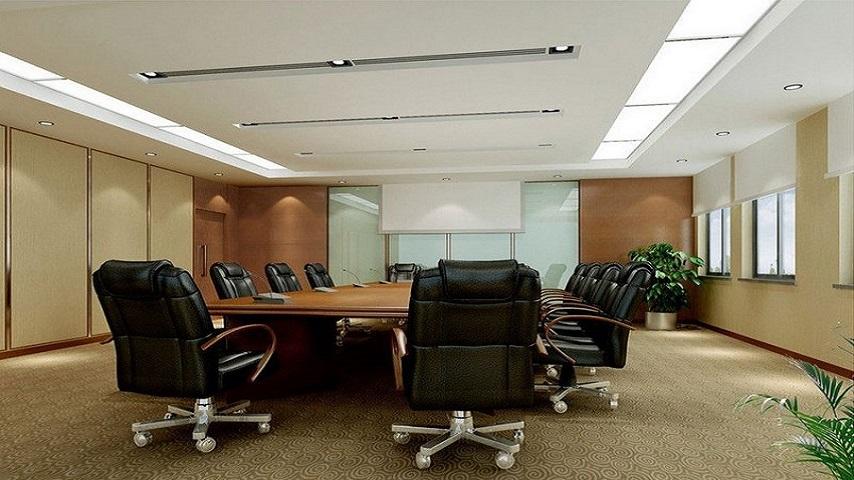
Designing the perfect workplace has become a strategic decision for modern corporates. The layout of an office directly influences productivity, employee satisfaction, collaboration, and even company culture. One of the most debated topics in workplace design is choosing between open office layouts and private cabins.
Both approaches have their advantages and challenges, and the right choice depends on your organization’s goals, work style, and team structure. Let’s explore both options in detail to help you determine what works best for your corporate environment.
Understanding Open Office Layouts
An open office layout eliminates physical barriers like walls and cabins, creating a shared workspace where employees sit together.
Key Features:
- Minimal partitions
- Collaborative seating arrangements
- Shared desks or workstations
- Transparent and flexible design
Benefits of Open Offices
1. Enhanced Collaboration
Open offices encourage spontaneous discussions and quick problem-solving. Teams can communicate easily without the need for formal meetings.
2. Cost Efficiency
With fewer walls and partitions, open layouts are generally more cost-effective in terms of construction and space utilization.
3. Better Space Utilization
Open offices maximize available space, making them ideal for growing teams and startups.
4. Improved Transparency
An open layout promotes a culture of openness and accessibility, breaking down hierarchical barriers.
Challenges of Open Offices
1. Noise and Distractions
One of the biggest drawbacks is increased noise levels, which can affect concentration and productivity.
2. Lack of Privacy
Employees may find it difficult to focus on tasks that require deep thinking or confidentiality.
3. Potential Stress
Constant visibility and interruptions can sometimes lead to employee fatigue.
Understanding Private Cabins
Private cabins are enclosed workspaces designed for individuals or small teams, often used by senior management or employees handling sensitive tasks.
Key Features:
- Enclosed rooms or partitions
- Dedicated workspaces
- Higher level of privacy
- Controlled environment
Benefits of Private Cabins
1. Greater Privacy and Focus
Private cabins are ideal for tasks that require concentration, confidentiality, or minimal interruptions.
2. Reduced Noise Levels
With enclosed spaces, employees can work without being disturbed by surrounding activities.
3. Professional Environment
Cabins create a more formal and structured workspace, which can be beneficial for leadership roles and client interactions.
4. Better for Confidential Work
Discussions involving sensitive information are more secure in private cabins.
Challenges of Private Cabins
1. Limited Collaboration
Physical barriers can reduce spontaneous communication and teamwork.
2. Higher Costs
Constructing cabins requires more materials, space, and investment.
3. Space Constraints
Cabins can limit flexibility, especially in offices with limited square footage.
What Works Best for Corporates?
The answer isn’t always one or the other. In fact, most modern corporates are moving towards a hybrid office model that combines the best of both worlds.
Why Hybrid Layouts Are Gaining Popularity
1. Balanced Work Environment
Employees can collaborate in open areas while having access to quiet zones or cabins when needed.
2. Increased Flexibility
Different teams can work in spaces suited to their roles—creative teams in open areas and management in cabins.
3. Improved Employee Satisfaction
Offering a mix of spaces caters to different work preferences, boosting morale and productivity.
Factors to Consider Before Choosing
When deciding between open offices and private cabins, consider the following:
1. Nature of Work
- Creative and collaborative roles benefit from open layouts
- Analytical or confidential roles require private spaces
2. Company Culture
- Startups and modern firms often prefer open offices
- Traditional corporates may lean towards cabins
3. Team Size
- Larger teams may require open layouts for space efficiency
- Smaller teams can function well with cabins
4. Budget Constraints
- Open offices are more budget-friendly
- Cabins require higher investment
5. Employee Preferences
Understanding your employees’ working style is crucial for long-term satisfaction and productivity.
The Future of Office Design
Workplace design is evolving rapidly. With the rise of hybrid work models and flexible working environments, companies are rethinking traditional layouts.
Modern offices now include:
- Collaboration zones
- Quiet pods
- Meeting rooms
- Breakout areas
This shift reflects a growing understanding that one size does not fit all when it comes to office design.
Conclusion
Choosing between an open office and private cabins is not about picking a winner—it’s about finding the right balance for your organization.
Open offices foster collaboration, innovation, and cost efficiency, while private cabins provide focus, privacy, and professionalism. The most effective corporate environments often integrate both, creating a dynamic workspace that supports diverse needs.
Why Turnkey Office Design Solutions Save Time and Money
How to Choose the Perfect Desk and Table for a Modern Office Cabin

 Thai
Thai
